
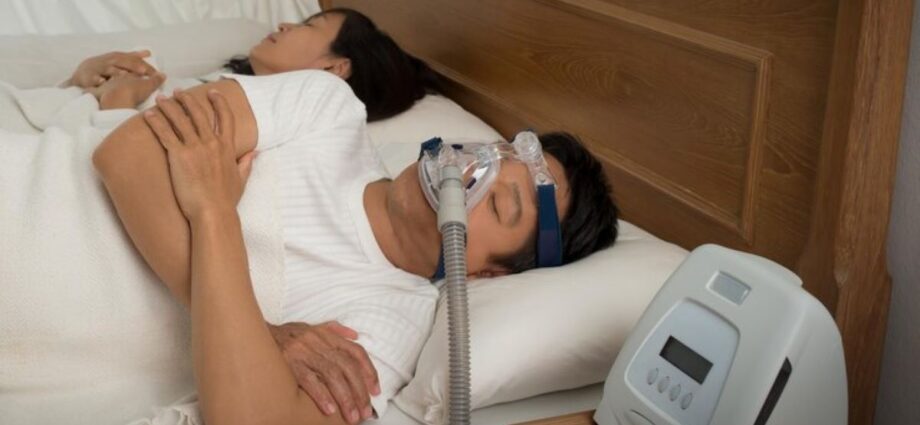
Good sleep is essential for physical health, mental focus, and emotional balance. Yet many people struggle with sleep problems for years without understanding the cause. When poor sleep becomes persistent, testing can provide clear answers. Sleep diagnosis helps identify hidden disorders and guides effective treatment, allowing people to regain restful, healthy sleep.
What Is Sleep Diagnosis and Why It Matters
Sleep diagnosis is a medical process used to identify conditions that disrupt normal sleep patterns. Instead of guessing or relying on temporary fixes, it focuses on finding the exact cause of ongoing sleep issues.
This process is important because untreated sleep disorders can affect heart health, mood, concentration, and overall wellbeing. A proper diagnosis ensures symptoms are correctly understood and treated, preventing long-term health complications and improving daily quality of life.
Common Sleep Disorders and Their Symptoms
Several sleep disorders commonly interfere with restful sleep. Insomnia involves difficulty falling asleep, staying asleep, or waking too early. Sleep apnoea causes repeated pauses in breathing during sleep, often accompanied by loud snoring and daytime fatigue.
Other conditions include restless legs syndrome, which creates uncomfortable leg sensations at night, and narcolepsy, marked by sudden sleep episodes during the day. Circadian rhythm disorders disrupt the body’s internal clock, leading to irregular sleep and wake times.
How Sleep Disorders Are Identified
Diagnosing sleep disorders involves careful evaluation and, when needed, specialised testing to understand sleep patterns and physical responses.
Clinical Evaluation
The process usually begins with a detailed consultation. Healthcare professionals assess sleep habits, medical history, medications, stress levels, and lifestyle factors. Sleep questionnaires or diaries may be used to identify patterns and triggers affecting rest.
Sleep Studies
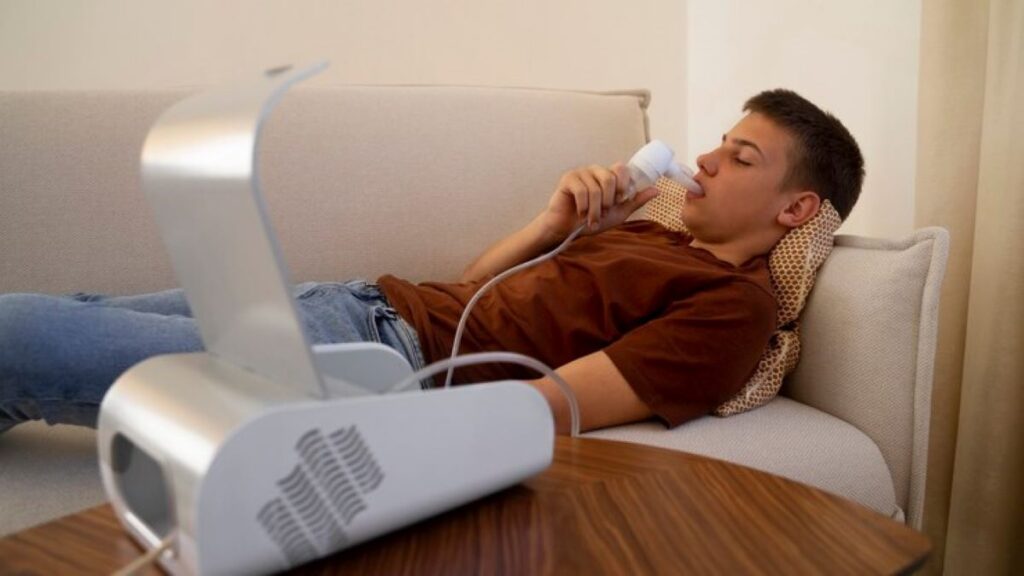
In-lab sleep studies, known as polysomnography, monitor breathing, brain activity, heart rate, and movement overnight. These studies are commonly used to diagnose sleep apnoea, narcolepsy, and other complex sleep conditions.
Home Sleep Tests
For certain cases, home sleep testing may be recommended. These tests are often used for suspected sleep apnoea and allow individuals to sleep in their own environment while collecting essential diagnostic data.
Treatment Options After Diagnosis
Once a diagnosis is made, treatment can be tailored to the specific disorder and individual needs. Behavioural approaches, such as cognitive behavioural therapy for insomnia, focus on improving sleep habits and thought patterns.
Medical treatments may include CPAP therapy for sleep apnoea, prescribed medications, or lifestyle adjustments such as improving sleep routines, managing stress, and maintaining consistent sleep schedules.
Benefits of Early and Accurate Sleep Diagnosis
Early diagnosis prevents sleep disorders from becoming more severe and reduces the risk of related health problems such as high blood pressure, depression, and impaired concentration. It also improves energy levels, mood, and productivity.
Accurate diagnosis avoids unnecessary treatments and provides clarity. When people understand why they are not sleeping well, they can follow an effective plan that delivers lasting improvements in sleep and overall health.
Conclusion
Sleep diagnosis plays a crucial role in identifying the causes of persistent sleep problems. Knowing when and why to get tested empowers individuals to seek timely help, receive appropriate treatment, and restore healthy sleep. If sleep issues continue despite lifestyle changes, professional evaluation can make a meaningful difference.
Frequently Asked Questions (FAQs)
When should I consider getting tested for a sleep disorder?
You should consider testing if sleep problems last longer than a few weeks or affect daily functioning. Ongoing fatigue, snoring, breathing pauses, or difficulty concentrating are common warning signs. Testing helps determine whether symptoms are caused by a medical sleep disorder rather than temporary lifestyle factors.
Is sleep testing only for people who snore loudly?
No, sleep testing is not limited to snoring. While snoring can indicate sleep apnoea, other symptoms such as insomnia, restless sleep, frequent awakenings, or excessive daytime sleepiness may also require testing. A sleep diagnosis helps identify a wide range of disorders beyond breathing-related conditions.
What should I expect during a sleep study?
During a sleep study, sensors are placed on the body to monitor breathing, heart rate, movement, and brain activity while you sleep. The test is painless and supervised by trained staff. Most people adjust quickly and are able to sleep enough for accurate results to be collected.
Can sleep disorders be diagnosed without visiting a sleep clinic?
Yes, some conditions can be assessed using home sleep tests, especially suspected sleep apnoea. These tests are less complex and allow people to sleep at home. However, more detailed conditions may still require in-lab testing for accurate diagnosis and treatment planning.
How soon can treatment begin after a sleep diagnosis?
Treatment usually begins soon after results are reviewed and discussed with a healthcare provider. Once the diagnosis is confirmed, a personalised treatment plan is created. Early action helps improve symptoms faster and reduces the risk of long-term health complications linked to poor sleep.